This month, we bring you news from Colombia, Brazil, Venezuela, Ecuador, Argentina, Chile and Bolivia.
Highlights are:
- Colombia: Amnesty has reactivated the #SearchingWithoutFear campaign to support women searching for their loved ones who were victims of enforced disappearances.
- Brazil: Amnesty has warned that Meta may be failing to address election-related disinformation spread through Facebook ahead of Brazil’s presidential election in October.
- Venezuela: Amnesty has criticised the government’s decision to withdraw from the Rome Statute of the International Criminal Court.
- Ecuador: There are new revelations of the alleged involvement of the United States in attacks on Ecuadorian vessels, including the Fiorella, eight of whose crew remain missing.
- Argentina: Amnesty said the government’s expanded use of mass surveillance technologies threatens the rights to privacy, freedom of expression, peaceful assembly and association.
- Chile: Amnesty condemns a proposal to pardon former Carabineros and military personnel convicted of crimes linked to their duties during the 2019 peaceful protests.
- Bolivia: Human Rights Watch say two decrees published by the government threaten the right to freedom of association and the work of human rights defenders.
COLOMBIA

CAMPAIGN ACTIVATION: #SearchingWithoutFear
On 30th August, International Day of the Victims of Enforced Disappearances, Amnesty reactivated the #SearchingWithoutFear campaign to support women searching for their loved ones who were victims of enforced disappearance in the Americas. During the second half of 2026, Amnesty is mobilising support for their international recognition, with the aim of establishing a World Day of Women Searchers at the United Nations, an initiative that women searchers themselves have been promoting at the UN in Geneva and New York. Amnesty Academy has released a 90-minute self-paced online course on the rights of women searchers. We officially invite you to take the course and learn more about this issue, which is so close to our hearts. Free course here!
BRAZIL

Amnesty International has warned that Meta may be failing to effectively address election-related disinformation spread through its Facebook Advertisements platform ahead of Brazil’s presidential election on 4 October. Social media has been used to spread disinformation in Brazil for years. To investigate how Facebook handled election-related disinformation in advertising, Amnesty International conducted an experiment by submitting ‘mock’ ads containing election-related disinformation to Facebook. The experiment found that eight of the submitted ads were accepted, while the remaining seven were flagged for identity verification because they appeared to be related to a social issue, election, or politics, rather than being rejected specifically for containing election-related disinformation. Amnesty ensured that these test ads did not go live. [Read more…]

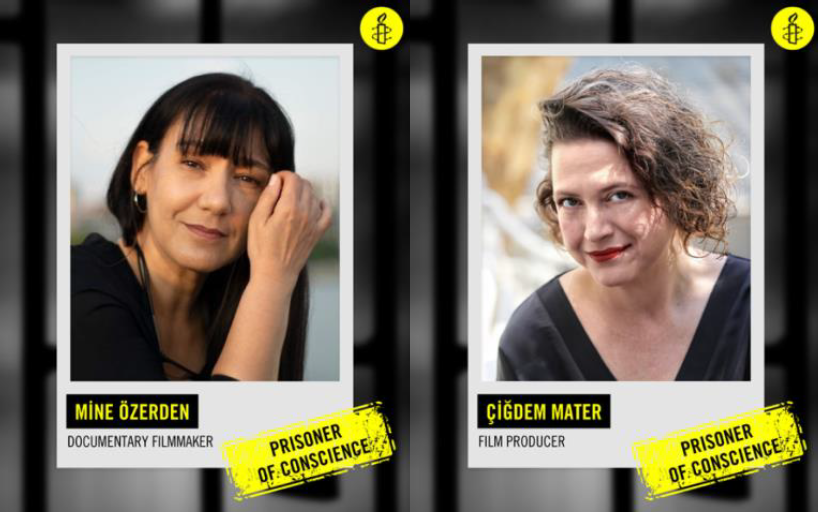 On 20 July, without prior warning, information or official justification, the Gezi PoCs Çiğdem Mater and Mine Özerden were transferred from Bakırköy Women’s prison to Izmir Şakran prison over 400km away from Istanbul. Despite their attempts, the lawyers were not informed of the reasons for this sudden transfer to a prison so far away from their families and lawyers and where conditions are reportedly very bad for prisoners generally. Çiğdem and Mine were placed in a 9sqm cell with only limited time outdoors and in very hot conditions.
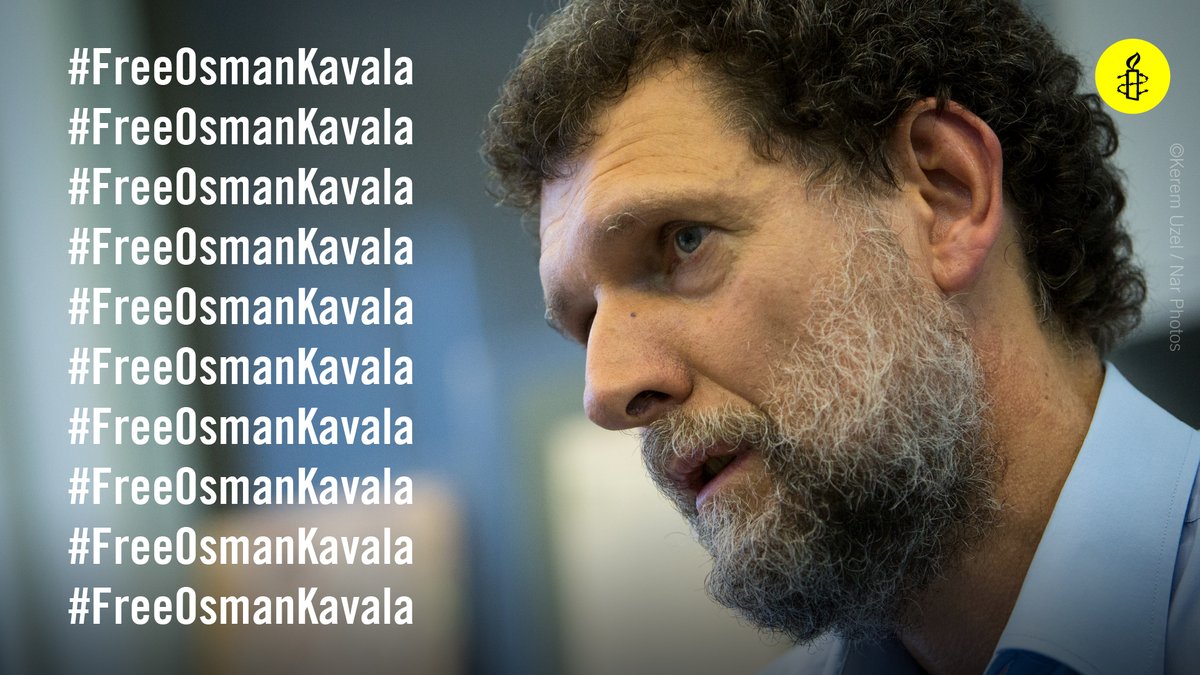 On 25 August, the Grand Chamber of the European Court of Human Rights will hand down its ruling on Osman Kavala’s application which was subject to a public hearing on 25 March this year. Together with partner organisations, Amnesty are planning a joint statement and a reaction to what we expect to the Court’s final word on his baseless prosecution and conviction for attempting to overthrow the government. The application was referred to the European Court’s Grand Chamber and therefore the judgment will be final ie not subject to a further referral.